Imagine a world without the public library. It’s hard to picture how communities would continue to thrive if they lacked a space to congregate, to learn, to explore.
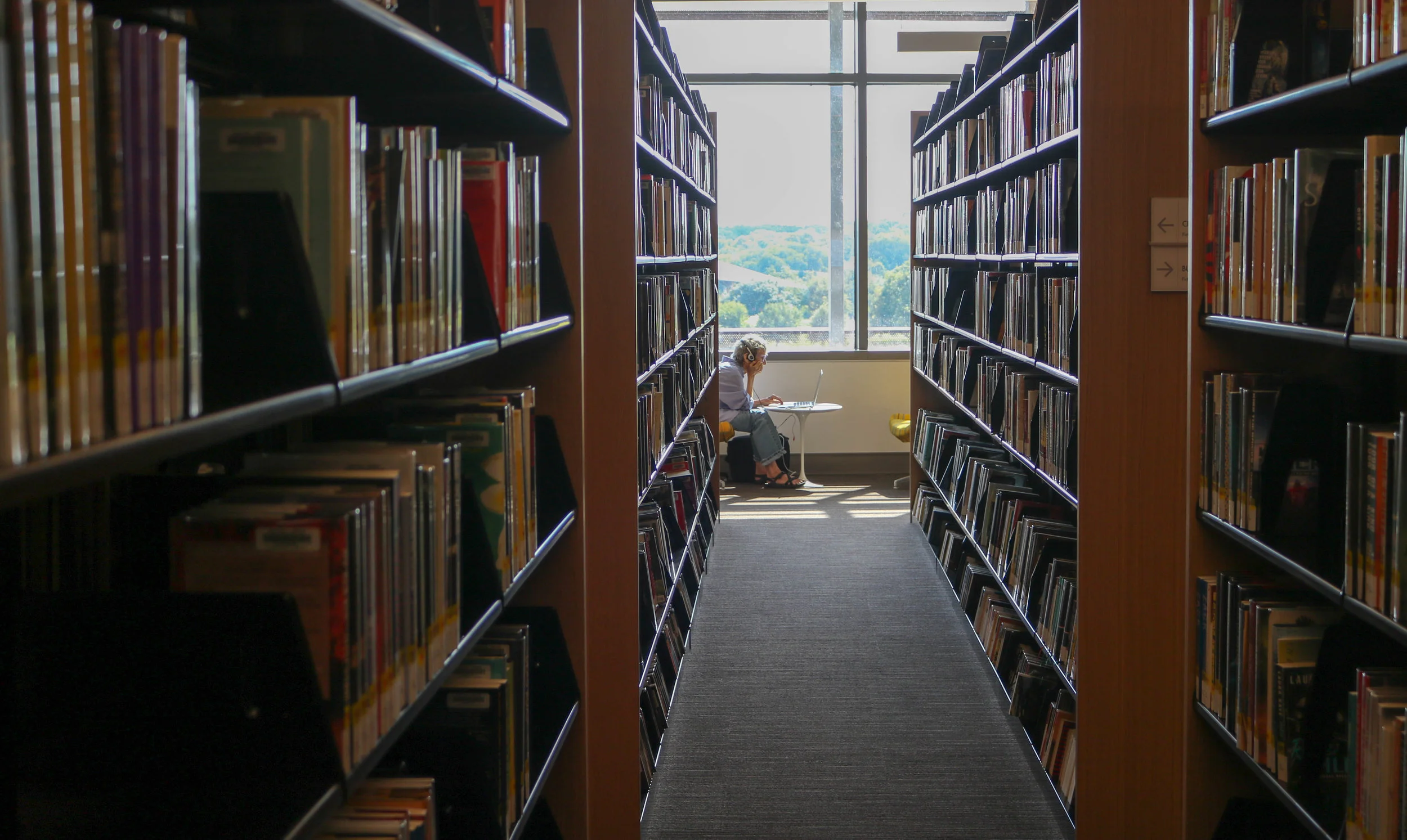
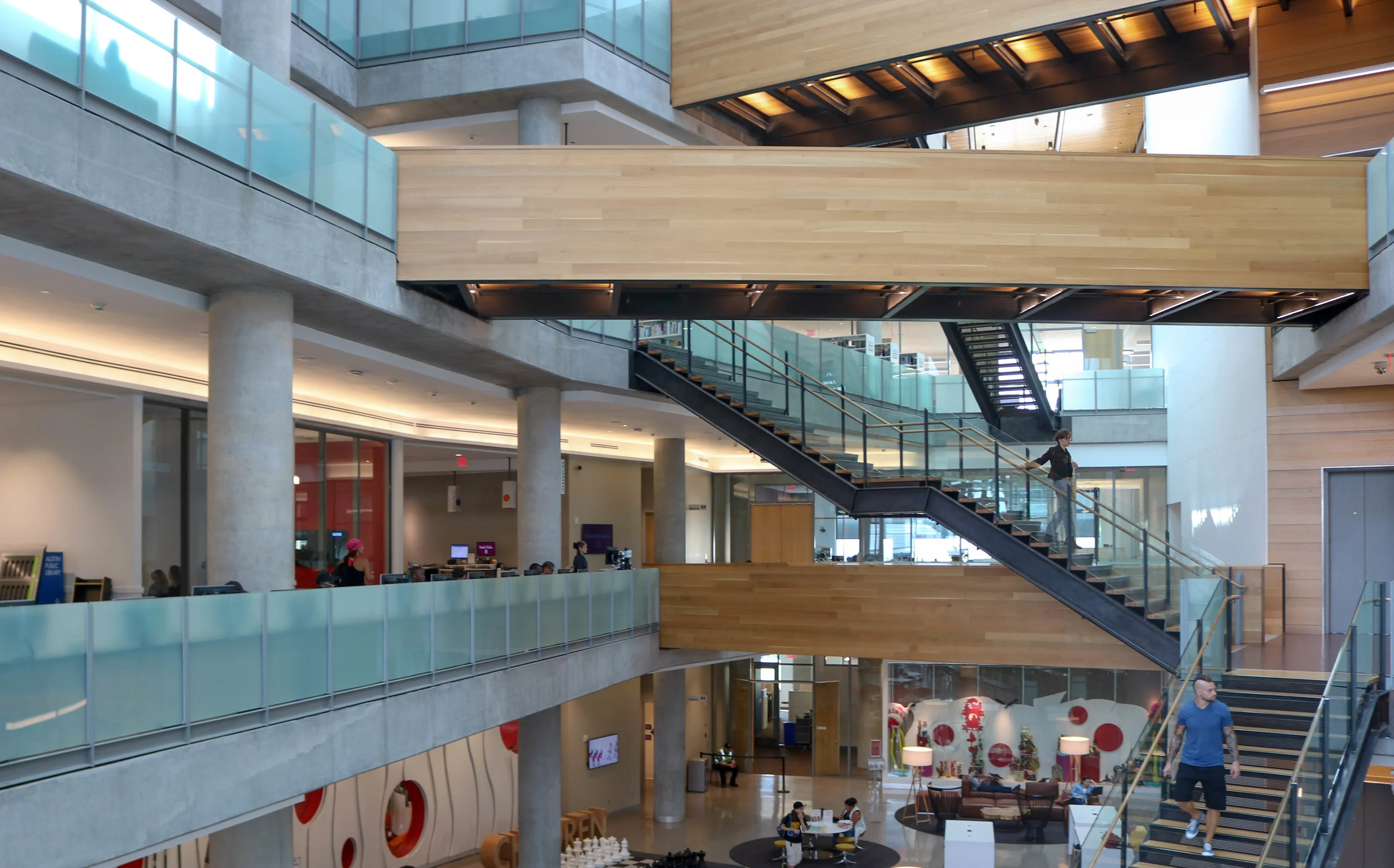
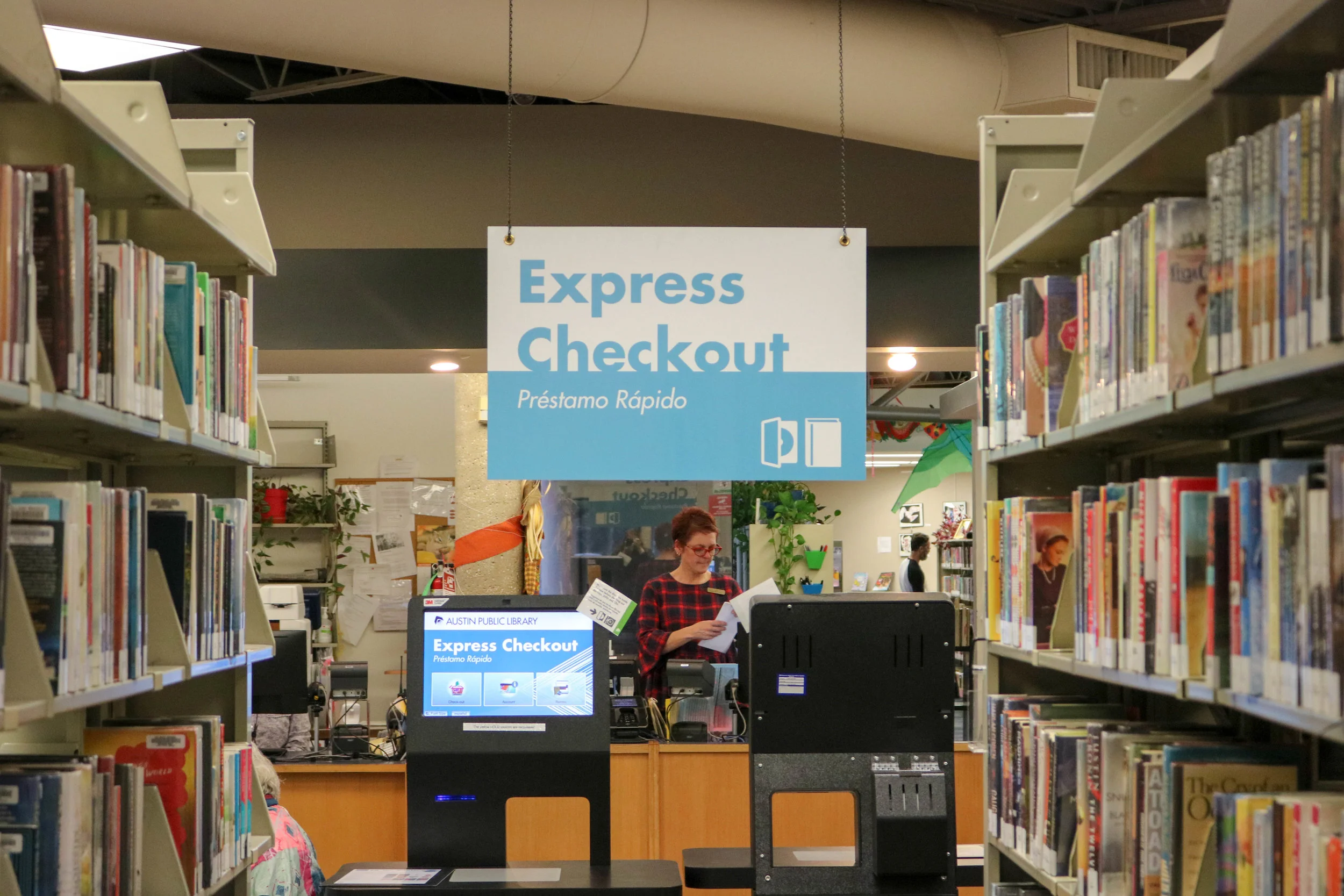
Now imagine a world with the library, but a different kind of library. Still with books and lots of them. But also equipped with innovative services such as laptop vending machines, a technology petting zoo and a 3D printer. Then, place it in your city. Just down the street from one of the largest research library systems in the world.
Welcome to Austin.
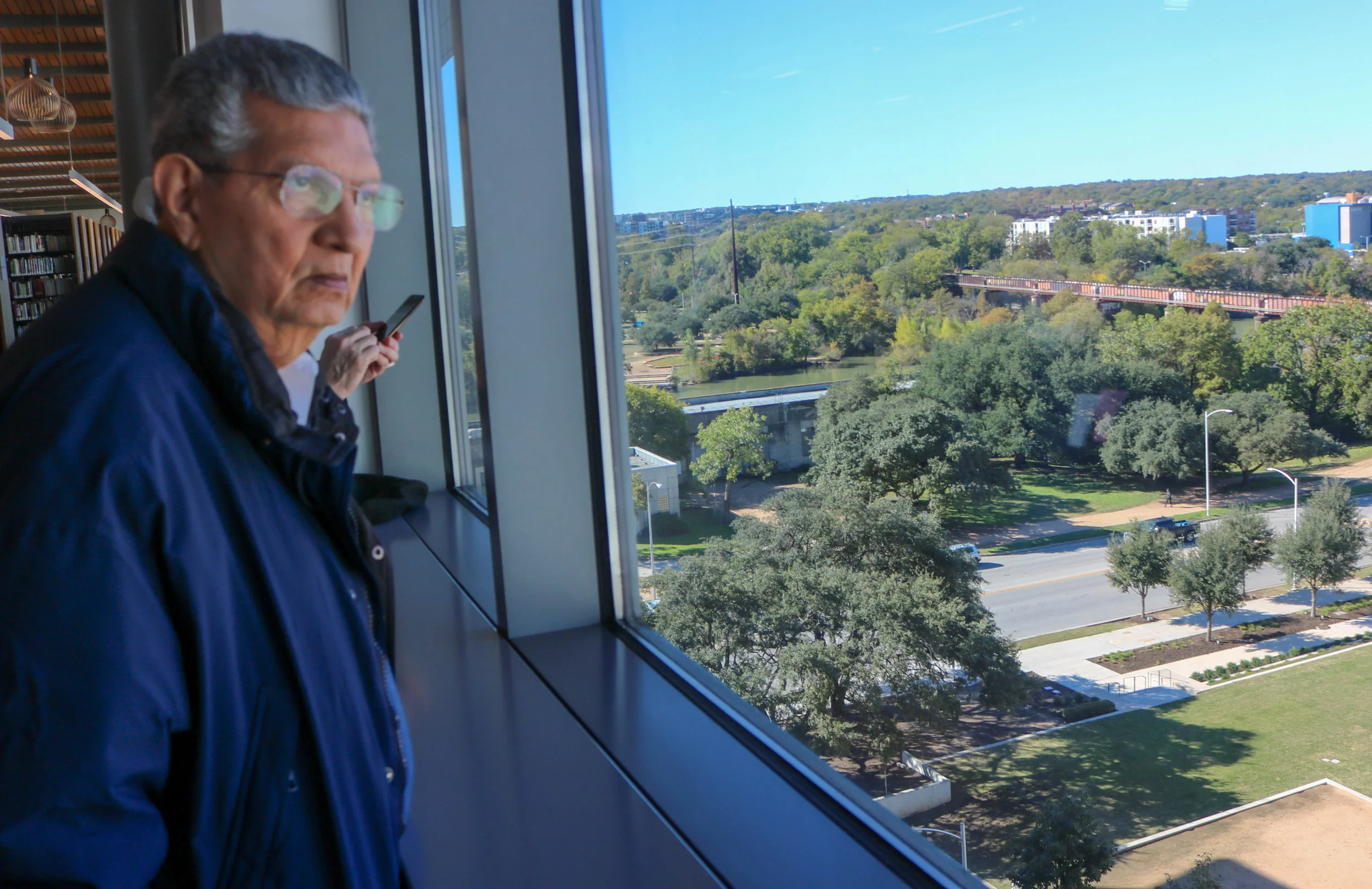
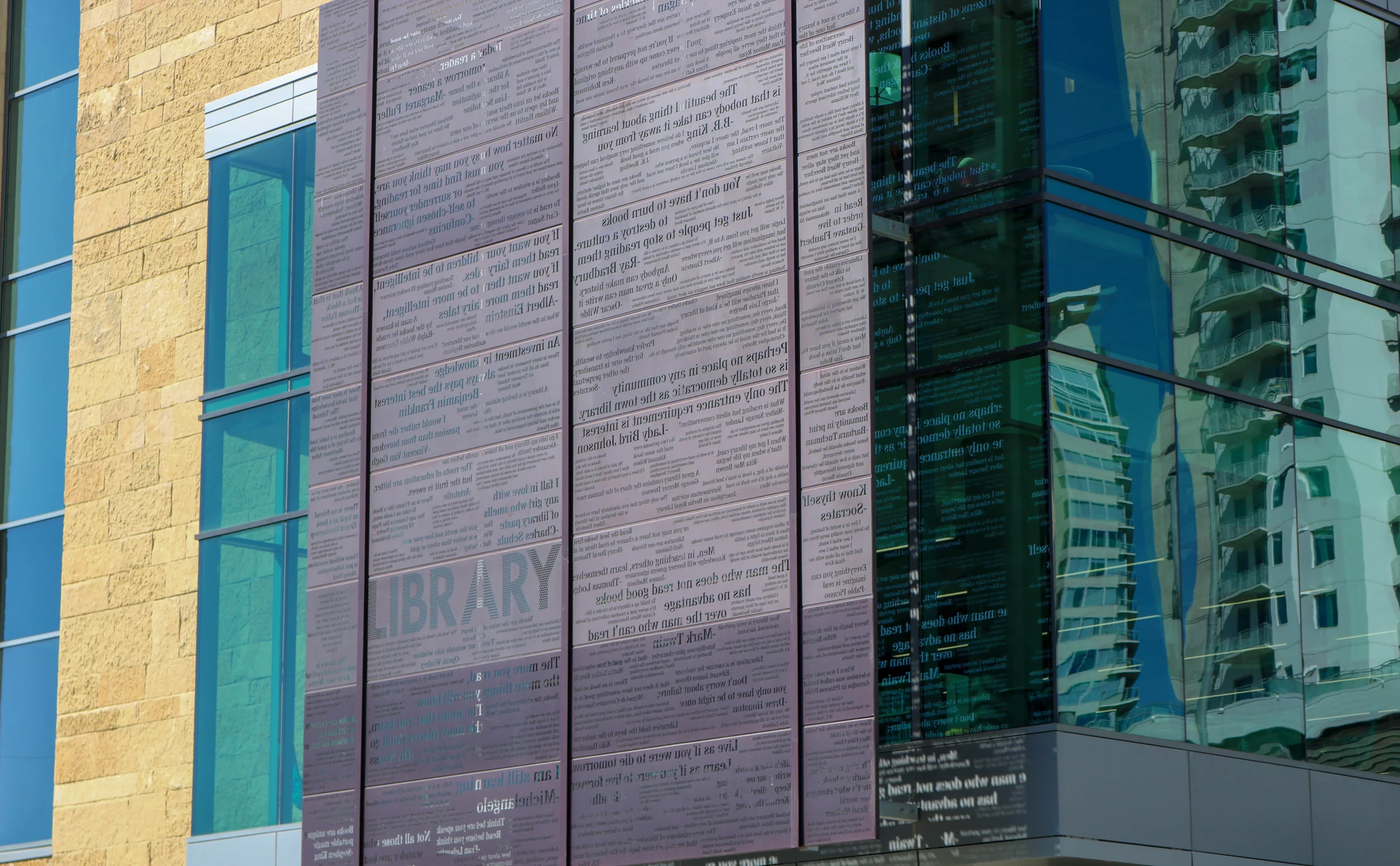
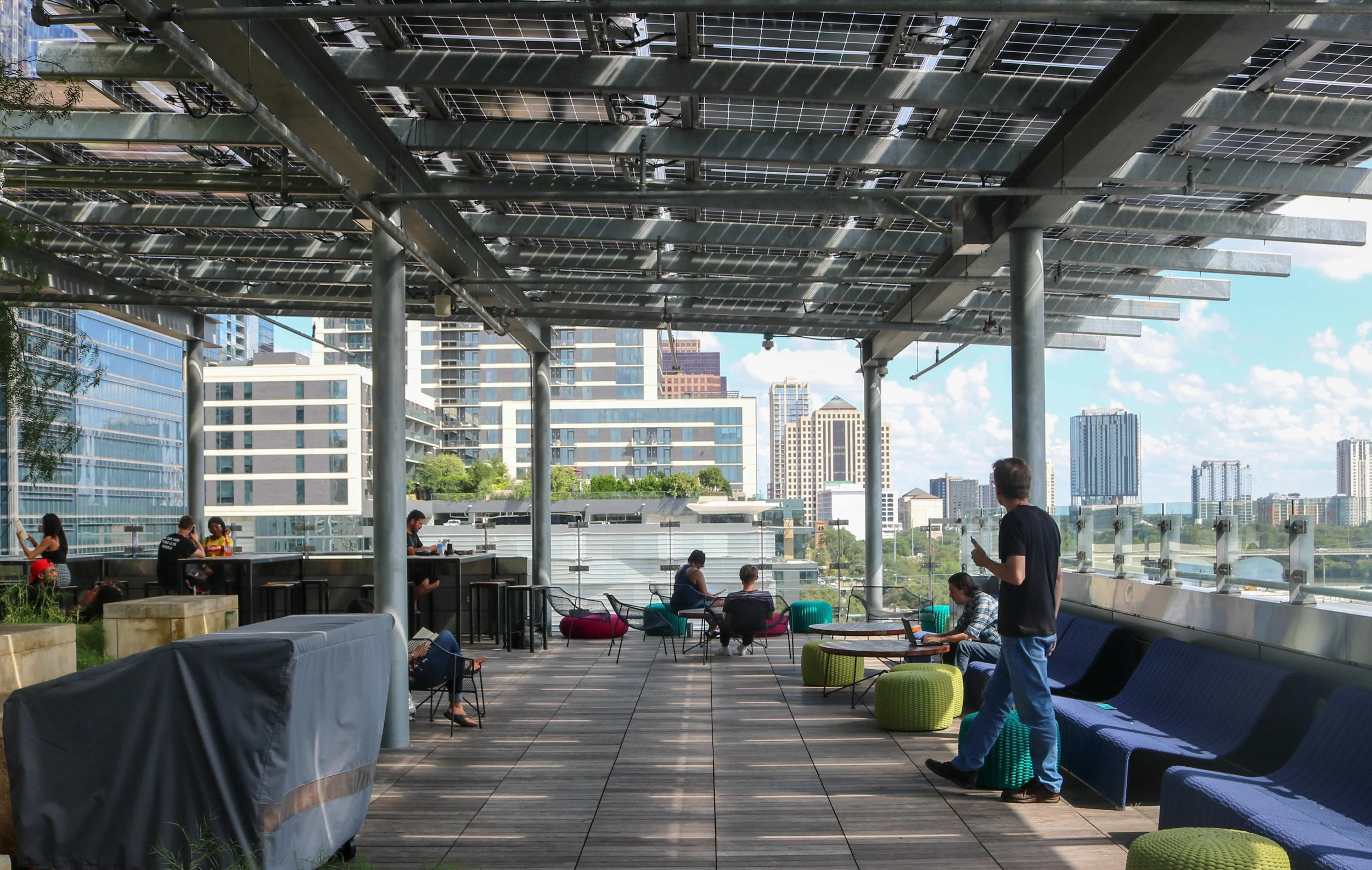
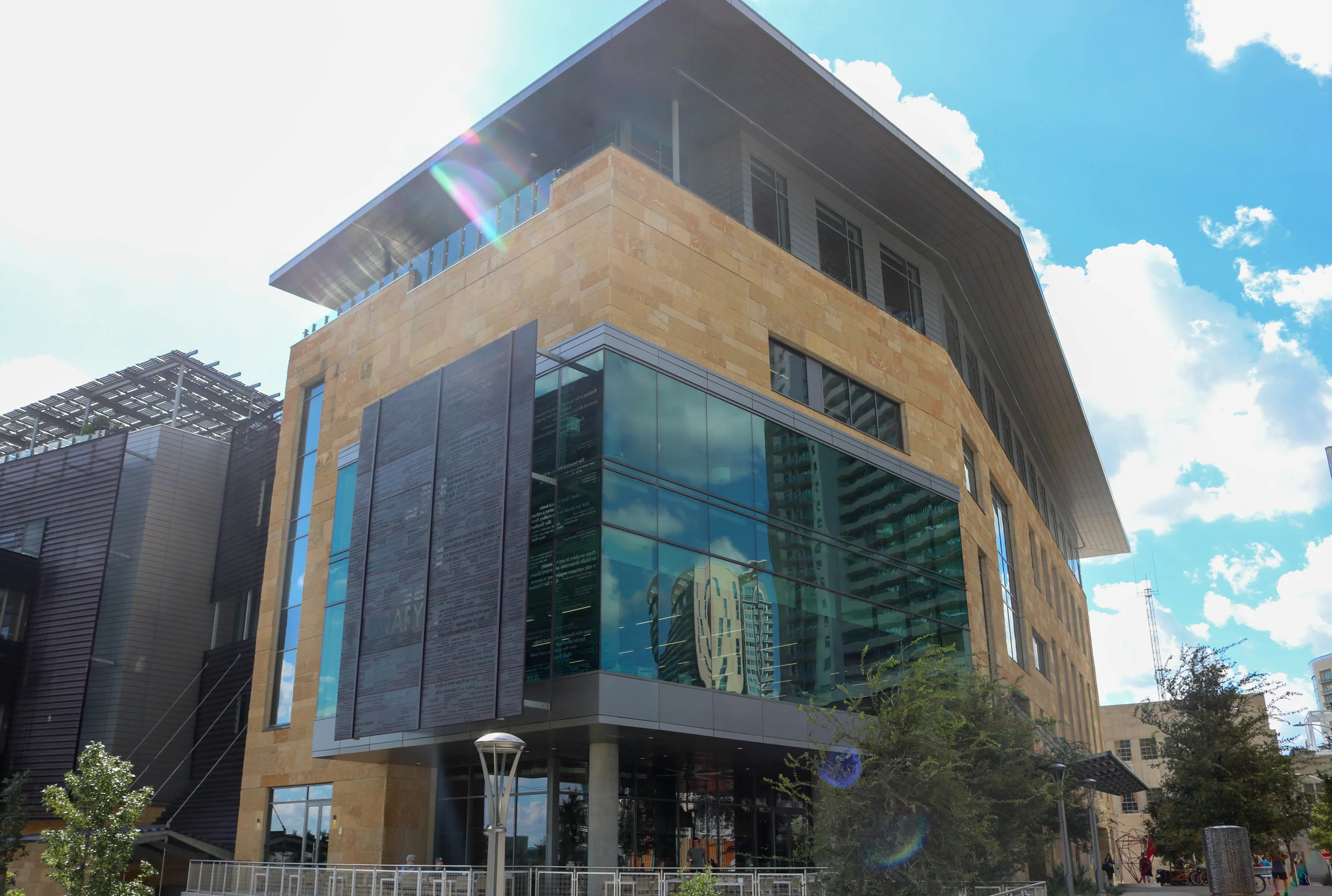
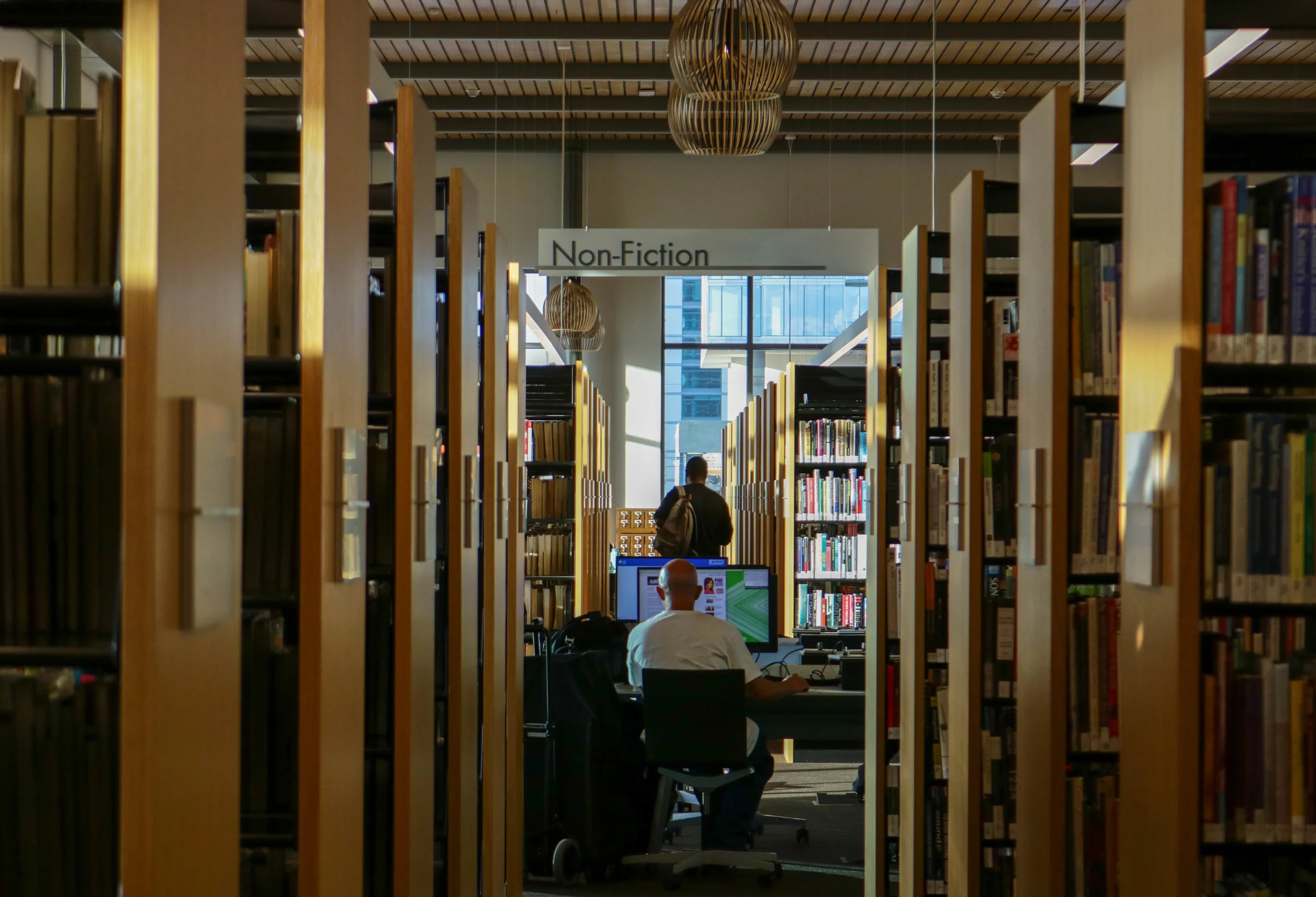
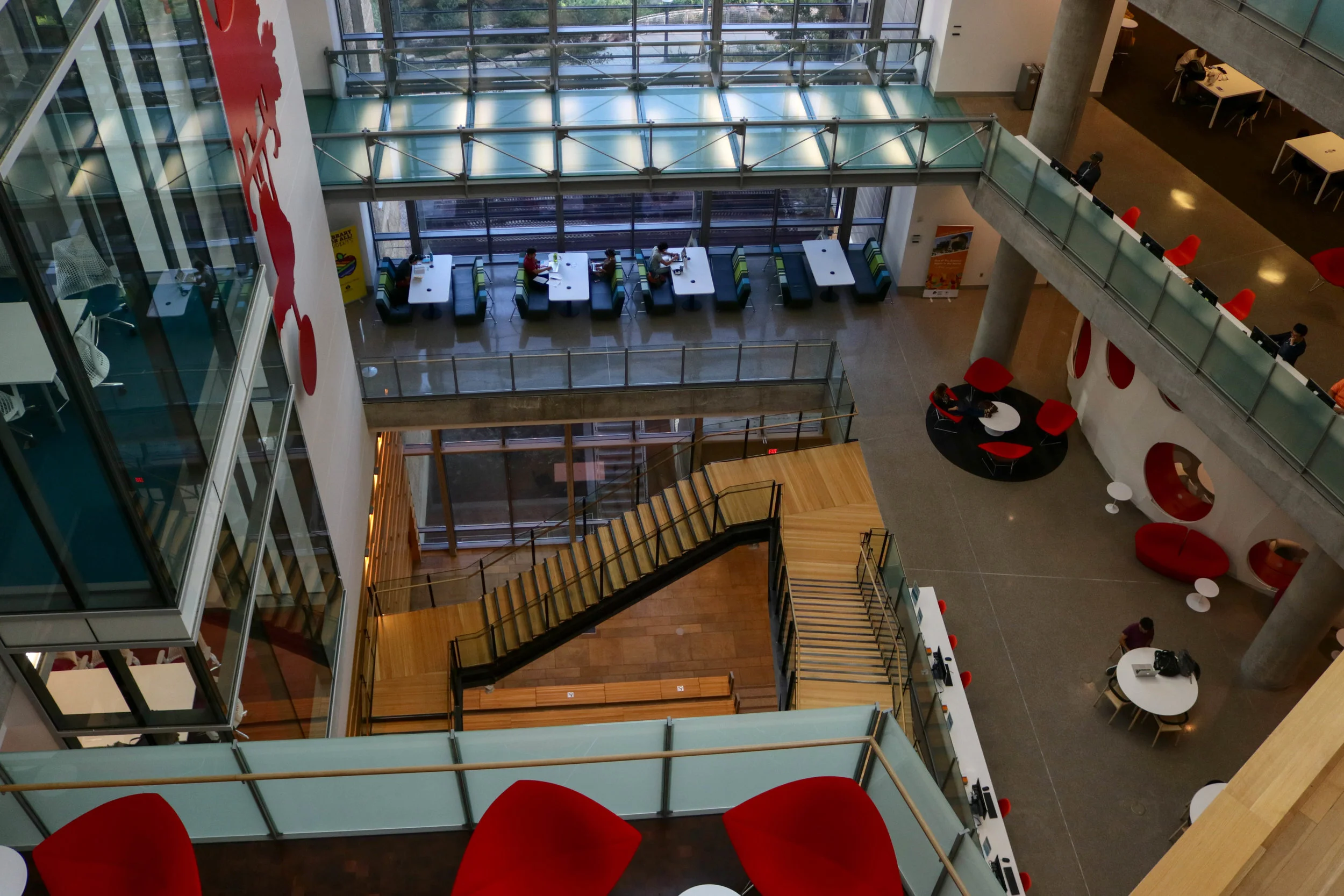
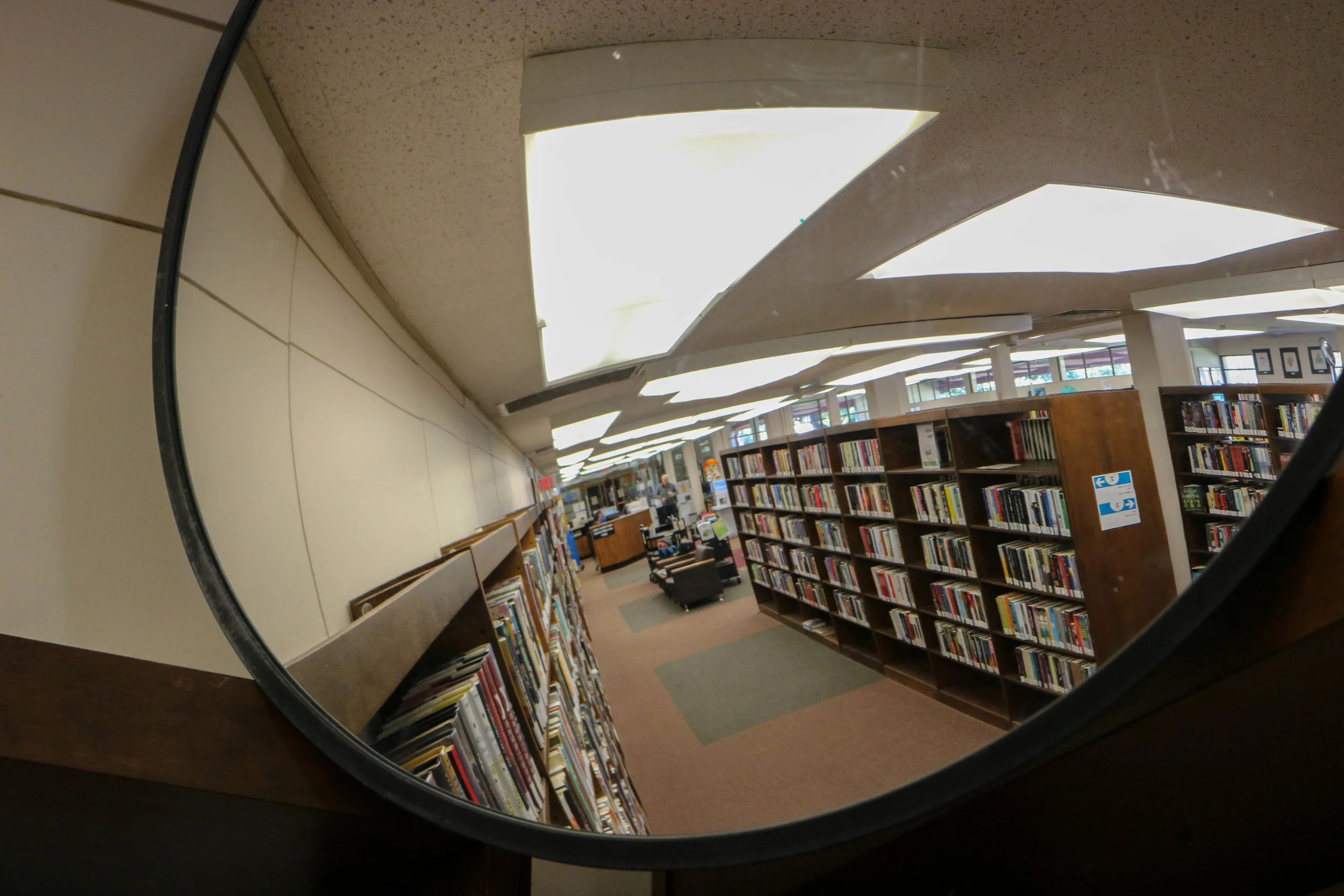
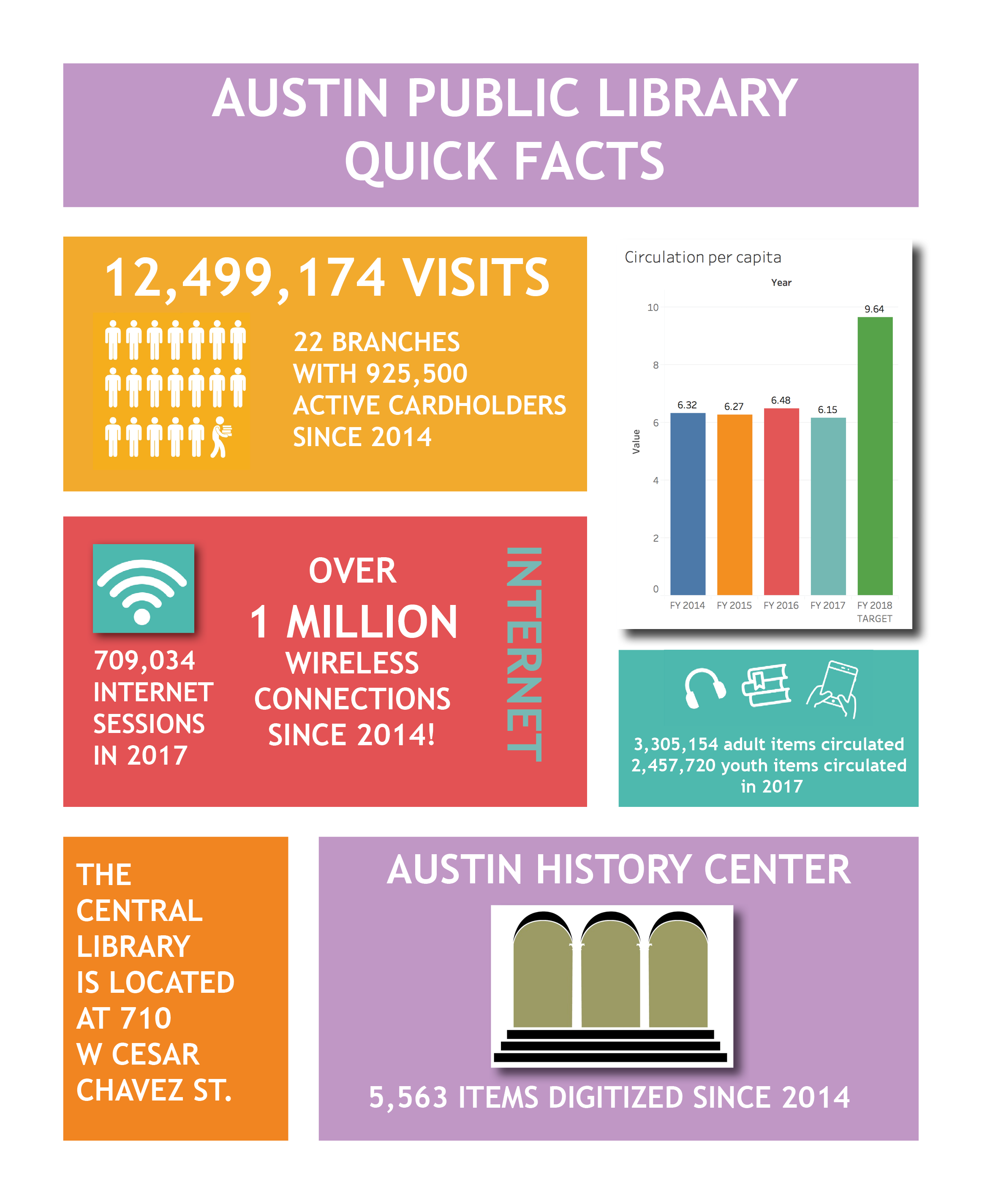
Almost a century ago, the Austin Public Library opened to the public in a rented room at 819 Congress Ave. The library consisted of 500 donated volumes and Grace Delano Clark served as the lone volunteer librarian on staff. As of 2017, Austin’s newest landmark sits on the corner of W. Caesar Chavez and West Ave—over 350,000 books, a maker’s space and a year in the making, the Central Library is here to serve the community.
Head 15 blocks north and The University of Texas at Austin is home to one of the largest research collections in the country—10 million volumes, long surpassed the size to fit within the walls of its 11 libraries.
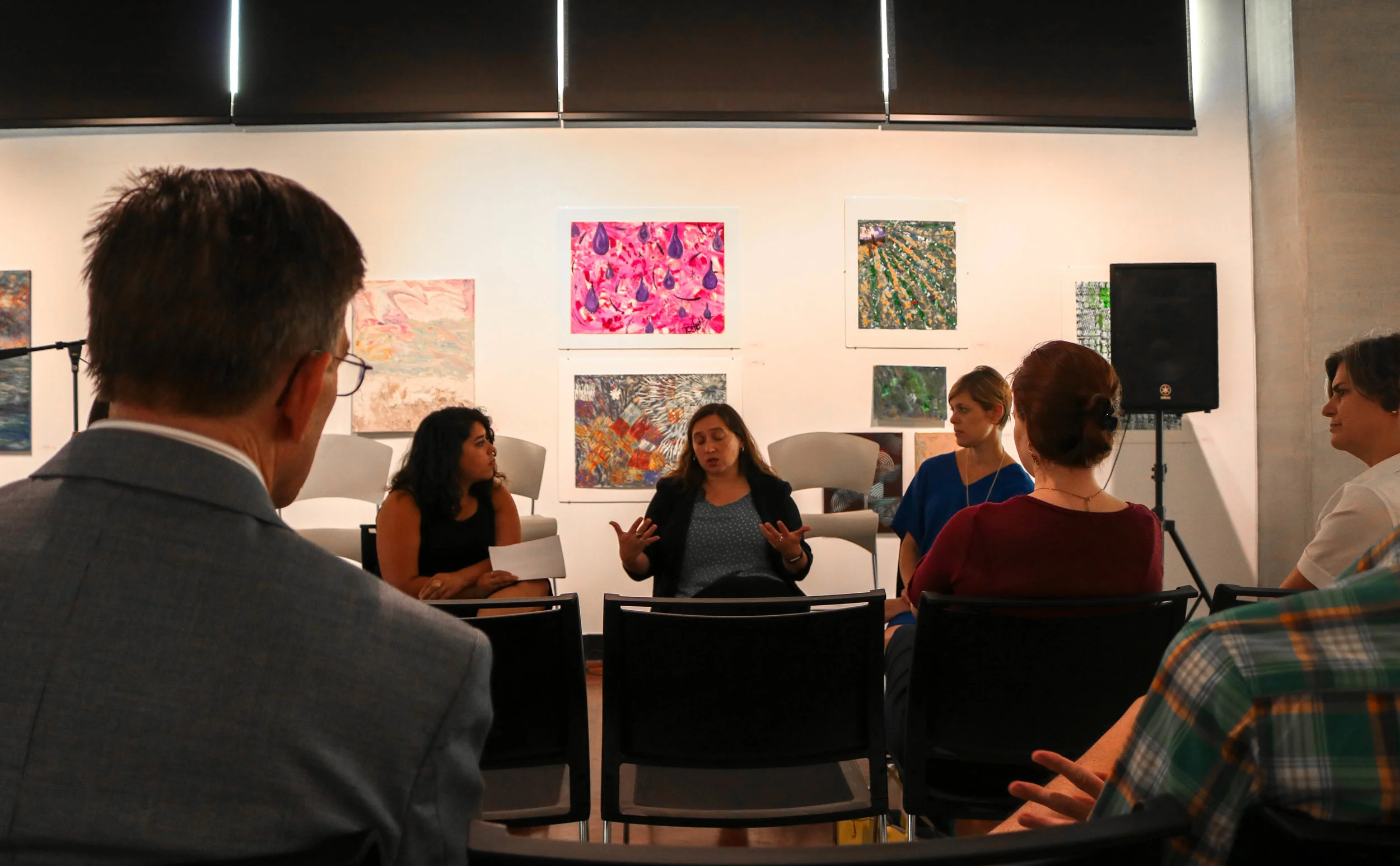
“There’s a richness in a university town where there’s a great public library and a great university library,” vice provost and director of UT Libraries, Dr. Lorraine Haricombe said, “to enrich the whole society and the whole community through programming, through discussion, through dialogue or through the library as a civic common.”
In a city like Austin where there is this unique dynamic of knowledge, research and discovery happening at the academic and public level, there is great opportunity for collaboration and creativity.
“Research happens here, and faculty cannot do groundbreaking research unless they use the rich content. It starts with the libraries,” Dr. Haricombe said. “We can take programming here to the Austin Public Library where we take the researcher off the ivory tower campus and bring them into downtown and into the public library.”
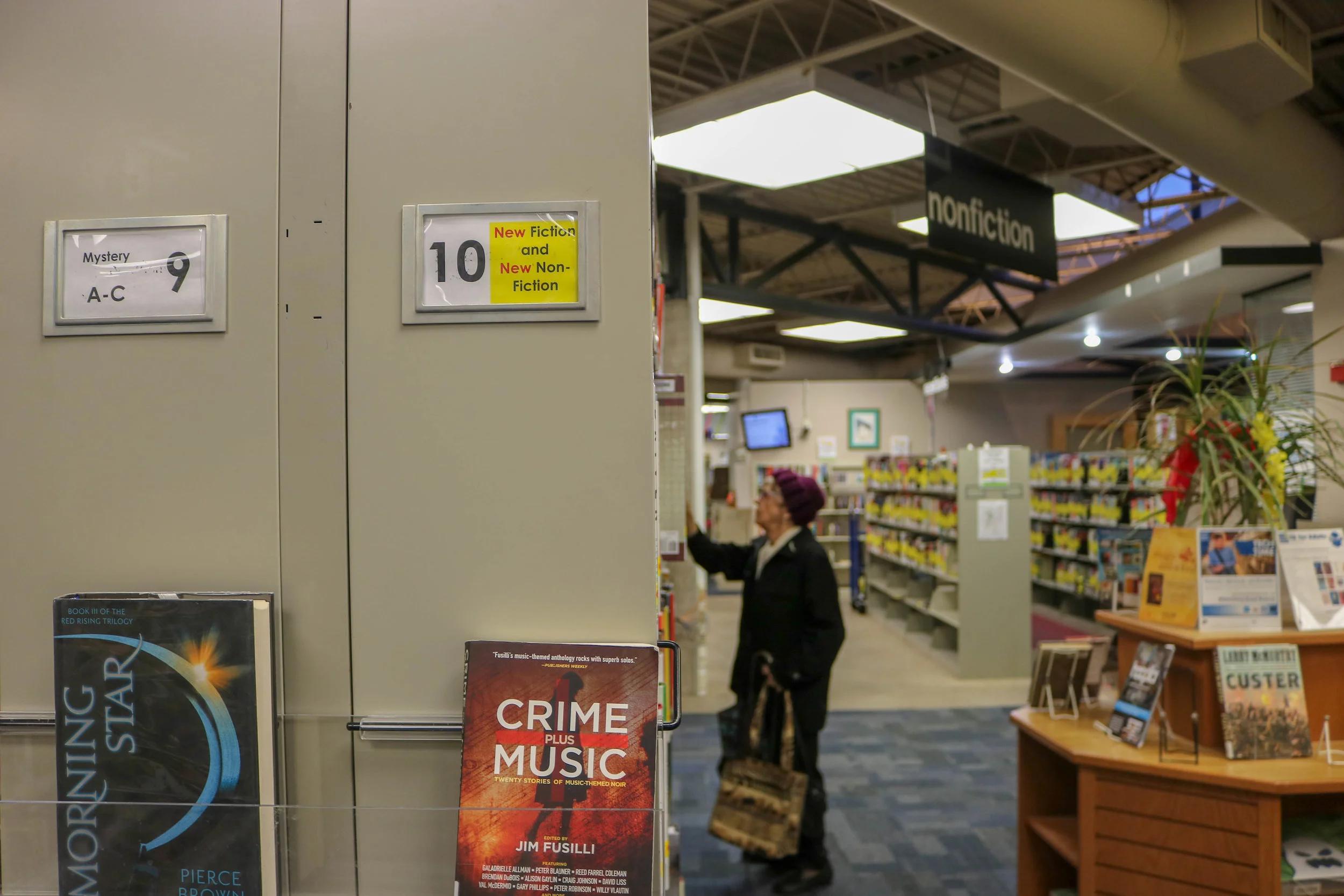
If we shift the mindset of the library as a place of collection to a place of service, the community can benefit from the space at its full potential. Every day programming is updated on APL’s online events calendar, but it often goes unrecognized. Christopher Allen, a program specialist at APL, goes into communities and community centers to spread the word of what the library branches are currently offering.
“Outreach can still be a challenge sometimes when they think they don’t need your service, so they don’t keep in contact, Allen said. “ I did setup a program along with the Jeremiah Program. I went there and talked about our resources, we set up library cards and I let them know the resources we have to offer.”
“There’s a richness in a university town where there’s a great public library and a great university library,”
Vice provost and director of UT Libraries, Dr. Lorraine Haricombe said.
As technology continues to integrate itself into all elements of our society, the spaces we use on a daily basis have to accommodate for this change and how future generations will continues to use these spaces. Libraries are playing their part across the country by repurposing to accommodate the current needs of a technological society with the expansion of digitization, laptop and equipment check out and computer access.
“When Obamacare became available and people had to apply, not everyone has access online and public libraries were the de-facto place for people to sign up for Obamacare,” Meg Alexander, APL volunteer and Library Science graduate student said. “The government assumed people would be taken care of at the library and the majority of people signing up for Obamacare did do so at the public library. If there wasn’t a service like this, I don’t know what people would do.”
Libraries and the staff who operate them continue to play their part in the betterment of our society and the public must do the same. Continue to seek out the library as a place to explore, discover and work. Dr. Haricombe advises students, faculty and researchers at the university and public level to shift your mindset from library as collection, to library as service.
“More people must educate themselves about the services the libraries provide that’s beyond your recreational reading or literacy programs,” Alexander said. “If you can picture other things that are provided, it starts to make sense that we pay for this as taxpayers. We need to be more involved in naming what we want. Communities need to speak up and say this is what I want from my library.”