
Originally published Sept. 2016 for The Bundle Magazine.
The art of photography has existed for almost 200 years and has evolved from big, bulky equipment to cameras and accessories as small as our hands.
Open the camera option on your smartphone, and taking a picture is a simple tap on the screen. The thought process is almost nonexistent. The control is at the hands of the camera’s operating system with automatic lighting and focus. Digital cameras capture our world in crisp, high-definition photographs with the possibility of consisting of billions of megapixels.
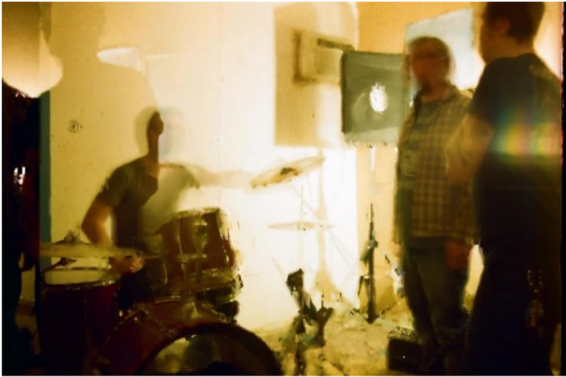
Even though we have this astonishing technology, there are still countless photography editing apps and features that add the imperfections to pictures that, for years, inventors have been trying to remove Film photography has stayed quiet throughout the midst of a digital era but is ever so slightly making its way back to the forefront.
Up until December 1975, when Eastman Kodak developed the first digital camera, photographers were limited to analog cameras, but this isn’t to say the quality of the images is any less. There are so many photographers still fond of film because it captures every detail from blurs to light flares making every image different from the last.
Brett Wolff, avid photographer and film fanatic has collected over 100 analog cameras and accessories over the years. It all began with his first camera, a Vivitar 110 from his grandparents.
“I prefer the grain of emulsion over digital noise and the imperfect representation of our imperfect world that film yields,” Wolff said. “Digital is just too exact and too precise. Also, at the end of the day, digital is just ones and zeros in a computer, whereas film is something tangible and real.”
Lomography has endless options of combining different colored films, unique to their age and condition with filters and even lenses with light leaks and emulsion that have been acquired over the years.
Recently, I went over to Austin Cameras and bought myself a Pentax K1000, one filter, two rolls of film and three lenses. I started with digital but prefer the manual setting so film is an easy transfer. Almost everything is similar to a digital medium except the content that is produced on the other side of the lens. When I go to shoot I feel like the outcome of the image is directly at my hands.
“Ninety-nine out of a hundred times, people just prefer the look of film,” Wolff said. “Digital has been around long enough that we're starting to get over it, and even with all the megapixels, one can cram into a sensor, digital still can't touch the dynamic range of some films. The one problem I have with digital is the details tend to get lost in the highlights and shadows, and it just registers as either all white or all black.”
Just by looking through the lens, there is this stillness when I go to capture a moment. With digital, I just snap photos without really thinking because if I mess up I can just delete the frame and start over, or keep continuously shooting and hope for the best.
Since film is limited to 26-36 shots per roll, I feel like I should make every frame count. It’s true, some flaws might be seen as distracting marks to some but photographers see them as a certain
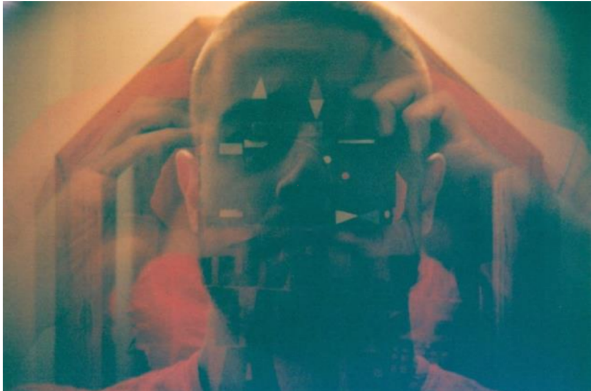
distinction. The moments you capture will live forever within a 4 x 6 frame. You can see the exact tone of the sun right before it set at Blues on the Green and the light leaks in just the right corners. There’s so much to experiment on film too, like double exposure, pin hole cameras or playing with different chemical solutions.
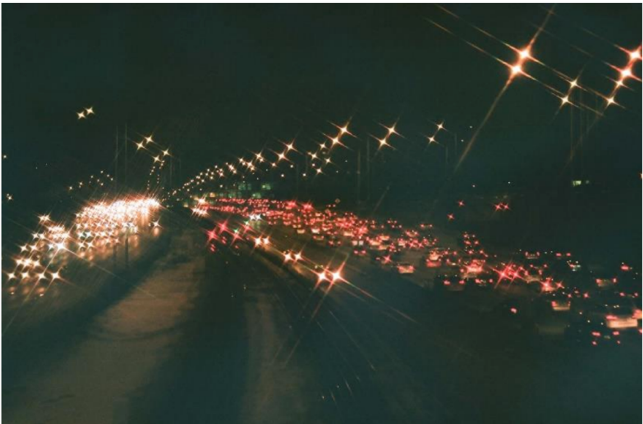
Wolff’s photos exhibit the power of film perfectly; the lights become orbs and suddenly you're brought to the world he captures so beautifully through this classic medium in a digitalized world.
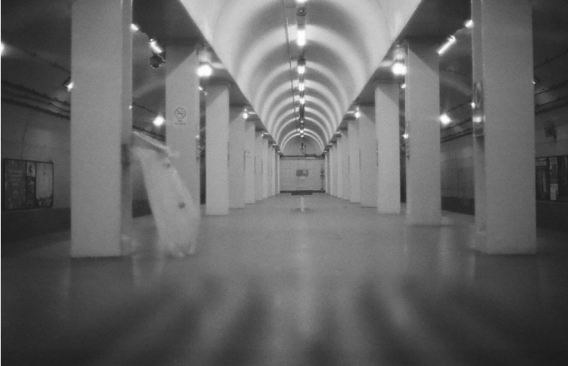
Shot on Ilford Delta 3200 black and white film through a Nikkor 50mm f/1.2 AIS manual focus lens on a Nikon F3